Nanotechnology World Conference 2026
Speakers - ntwc2026
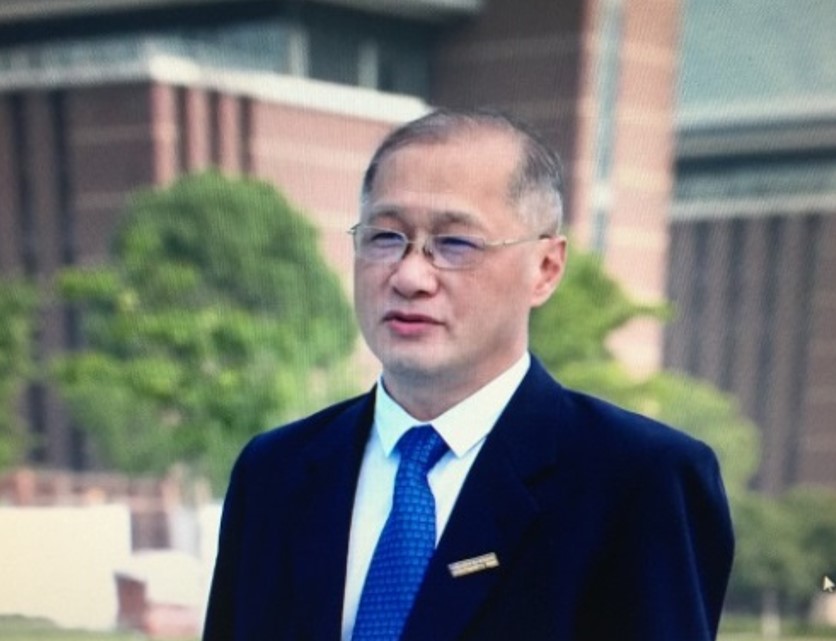
Li Wang
Li Wang
- Designation: Zhejiang University
- Country: China
- Title: Preparation of ferrocene based crosslinked polymers with nano pores and their application as burning rate catalysts
Abstract
Composite solid propellants have been widely employed in the propulsion systems of spacecraft and aerospace launch vehicles due to their characteristics of high specific impulse, excellent mechanical properties, and superior safety factors. As one of the commonly used oxidizers, ammonium perchlorate (AP) typically constitutes approximately 70percent of the total mass of composite solid propellants. Consequently, its thermal decomposition characteristics directly impact the ultimate burning performance. Research indicates that enhancing the thermal decomposition properties of AP through burning rate catalyst addition is an effective approach to improving the burning performance of composite solid propellants. However, conventional ferrocen based burning rate catalysts (such as Catocene) exhibit issues like migration propensity, which severely compromises the storage stability and operational safety of composite solid propellants. To address these challenges, reactive groups were introduced into ferrocene based compounds. By co crosslinking with the binder system of the solid propellant, ferrocene based polymer networks with nano-pores were constructed and the ferrocene-based burning rate catalyst showed zero migration. This innovation effectively resolved the migration issue of ferrocene-based burning-rate catalysts within composite solid propellants, while also exhibiting outstanding catalytic efficiency for burn rate.
Nanotechnology World Conference (NTWC 2026) is a prominent global event October 18-20,2026 that promotes research, engineering, and practical applications of nanotechnology. NTWC 2026 will now bring together international ...
Read More>>
Organizer
